Completing a true SOBO thru hike means reaching the southern terminus in late fall or winter. Weather in the mid-Atlantic and south is humid and wildly inconsistent as compared to New England where the temperature remains cold and snow begins to fall in early October. The best description comes from the meme “The 12 Seasons of (insert non-New England state here),” where seasons take a shorter form and appear several times.
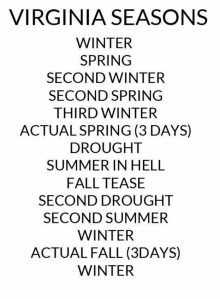
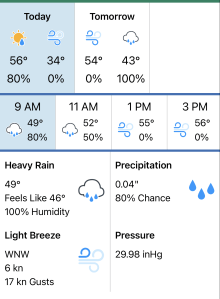
Case-in-point was the forecast from my summit weekend on March 10-11, 2023. The weather had been spring like for several weeks with highs reaching 70 degrees at times and lows around 40. The second winter appeared a few days later with lows reaching the teens and highs in the 40s. Perhaps the bad weather waited until my wife hiked the last mile with me. We always had the luck of always getting to a restaurant just before the crowds overwhelm the staff.
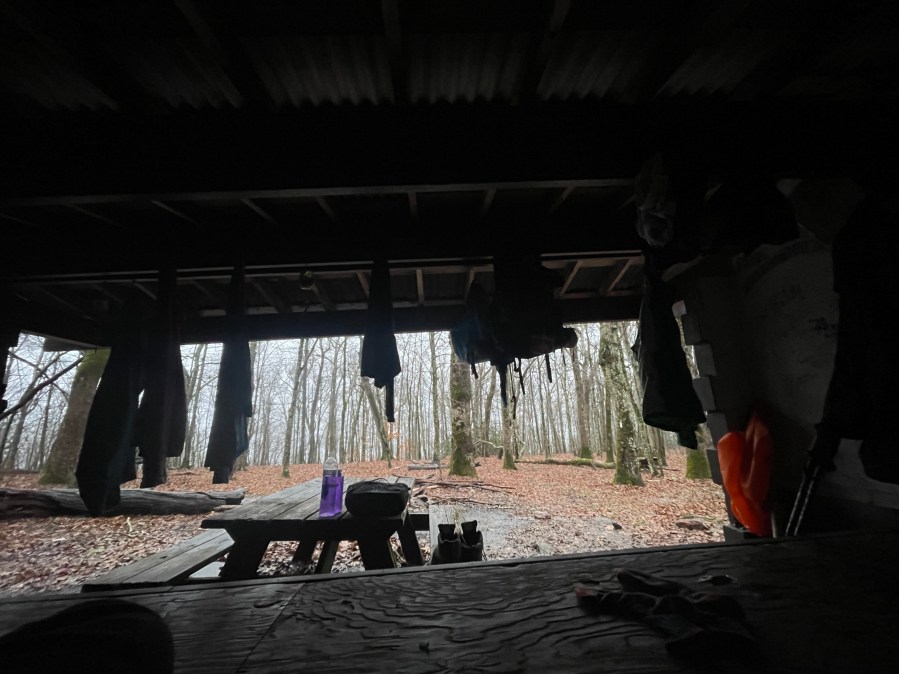
Staying dry and preventing hypothermia are the challenges when hiking during the winter and early spring with the variation in temperature. Sweating during the day while exerting yourself and freezing or near freezing temperatures necessitate having a dedicated dry camp clothes made from the right material. Cotton retains water and becomes quite heavy when wet. My pants and mid-layer jacket were made of fleece. The leg base layer, or long johns, and underwear were polyester. For the upper body base layers, I had one for hiking and one for camp made of merino wool from sheep in New Zealand and Australia. This light-weight material absorbs sweat keeping the skin dry while retaining heat. My socks also were merino wool. I changed into dry socks and underwear immediately after hiking instead of waiting until the morning. So what did I do with the wet clothes? Usually wring out the moisture and either hang for the evening or put in a bag and place in my sleeping quilt at my feet. This way my damp clothes would not freeze and stay warm.
Of course, changing from the dry clothes back into the hiking outfit was the most difficult part of the thru hike! Waking up on cold morning while wearing warm, dry clothes and wrapped insulated in sleeping quilts made me want to stay in bed all day. Sometimes, only the urgency to pee made me to begin the day.
Layering was another strategy necessary for surviving a thru hike during the winter months. My sleep system consisted of three layers. Two quilts made of 850 fill power Grey Duck Down and a liner made of Alpaca hair. The quilts had different temperature ratings of twenty and fifty degrees. When combined, the quilts would rate down to zero degrees with the liner adding another ten degrees of warmth. As for clothes worn while hiking, I used a base layer and sweater made of merino wool with a fleece mid-layer. This kept me warm to 30 degrees while hiking. With colder temperatures or precipitation, I added a Gortex shell as another layer. A synthetic puffy jacket was kept at the top of the pack and pulled out when stopping for longer than 5 minutes. See my Packstack list for more information.
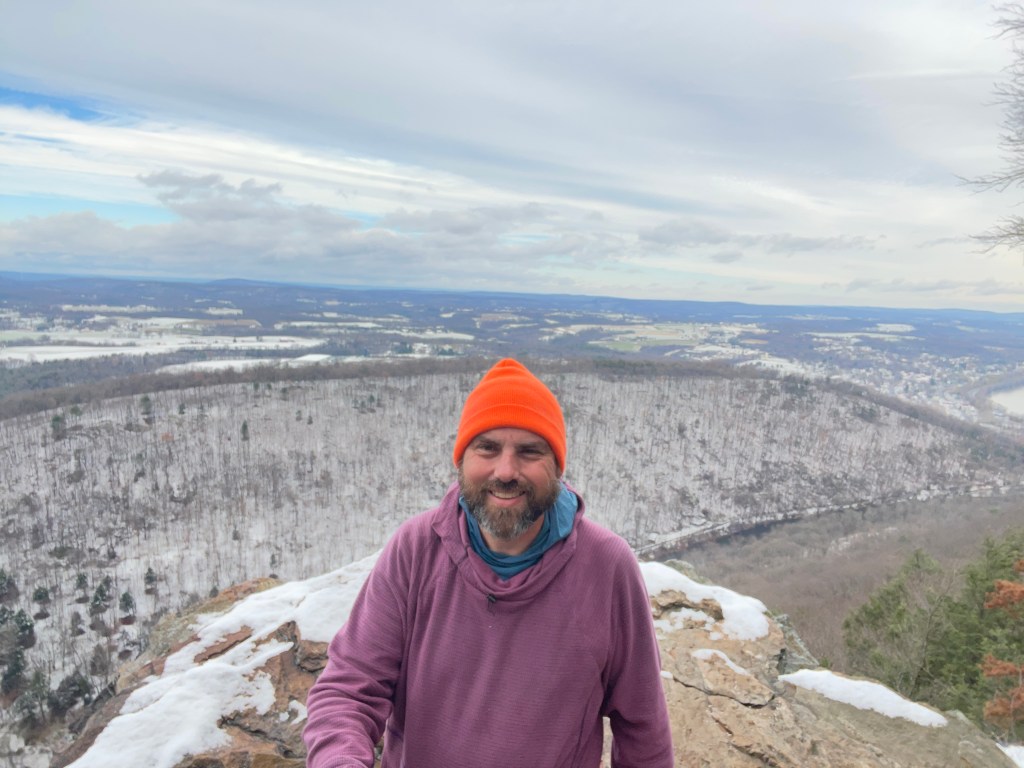
So what was the plan for hiking in winter? Originally, I thought the hike may end in December, but I had made it to Marion, Virginia by early January with 534 miles left. I mulled over jumping ahead and doing different sections or taking extended break until April, but in the end, I decided I had the “trail legs” to finish and coming back would mean rebuilding my strength again. Instead, I continued heading south with the strategy of getting off the trail or skipping a section and coming back if the weather was too dangerous. Sometimes the snow was fun to hike through and made for pretty scenery while other times too treacherous.
Duncannon, PA was the first snow I experienced. Originally forecasted for an early evening start, the snow storm began early afternoon on November 15th and dropped 3 inches in town and nearby mountains. Luckily, my waterproof boots arrived at the hostel, Kind of Outdoorsy, the day before! I hiked 17 miles the next day to Carlisle, PA, where the snow melted most of the day and disappeared after the Darlington Shelter since the storm did not occur in the Cumberland Valley.

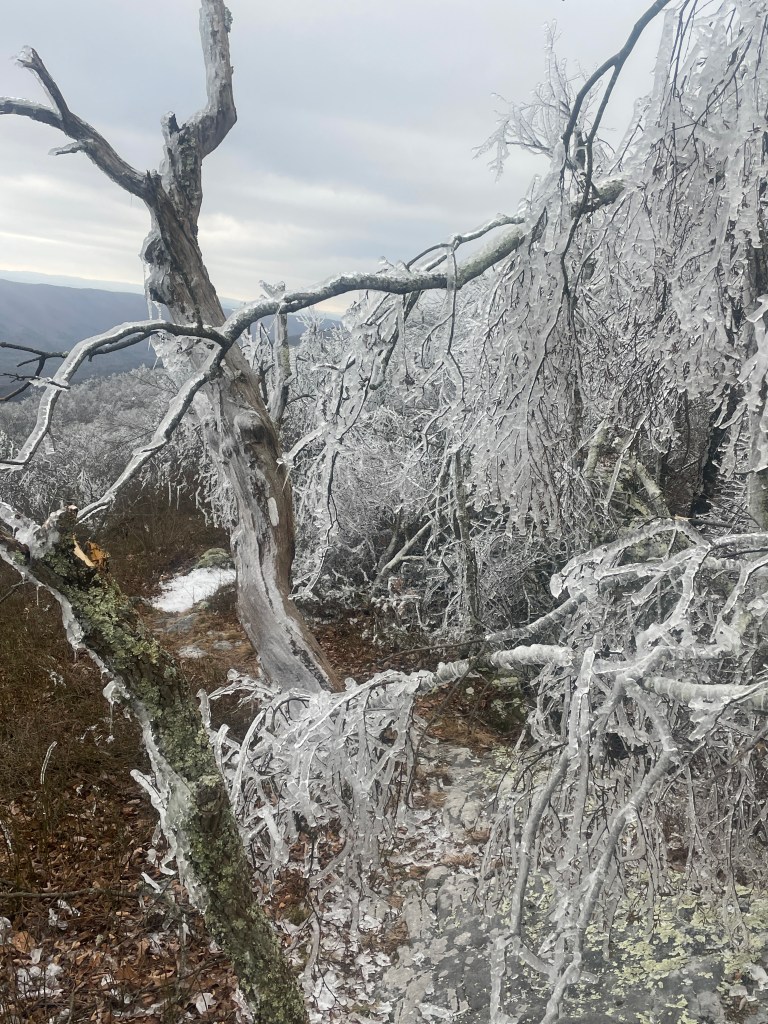
The most difficult day this winter was hiking over The Eastern Continental Divide (near SOBO mile 1508, elevation 3,365 feet) on December 18, 2022. A mix of snow and rain made for difficult terrain with ice on both the trail and trees, weighing down branches or causing trees to fall. The three miles between the ECD sign and the Bruiser Knob Cairns required navigating along the rocky ridge, playing limbo with fallen trees, circumventing blocked parts of the trail, and moving ice-covered branches aside. The sun melted some of the ice off the branches, which became six inch cubes and made me feel like I was hiking through an ice cube tray.

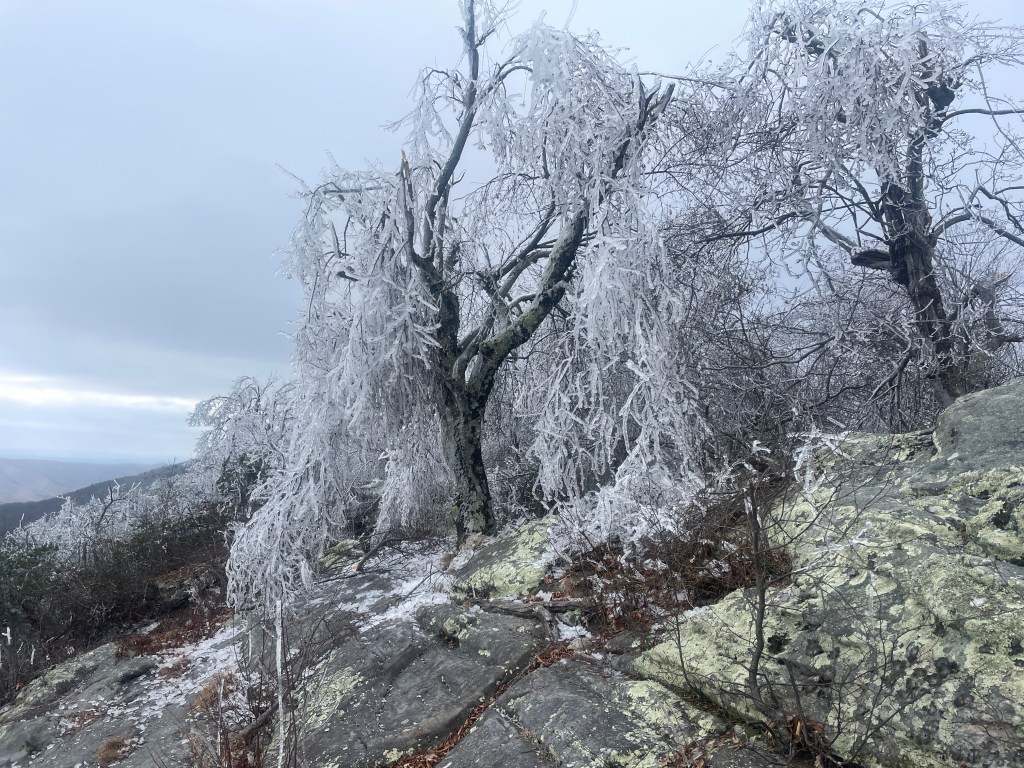

The most dangerous time came around Christmas and forced an additional 4 day break from hiking near Pearisburg, VA. Temperatures plummeted to near zero.
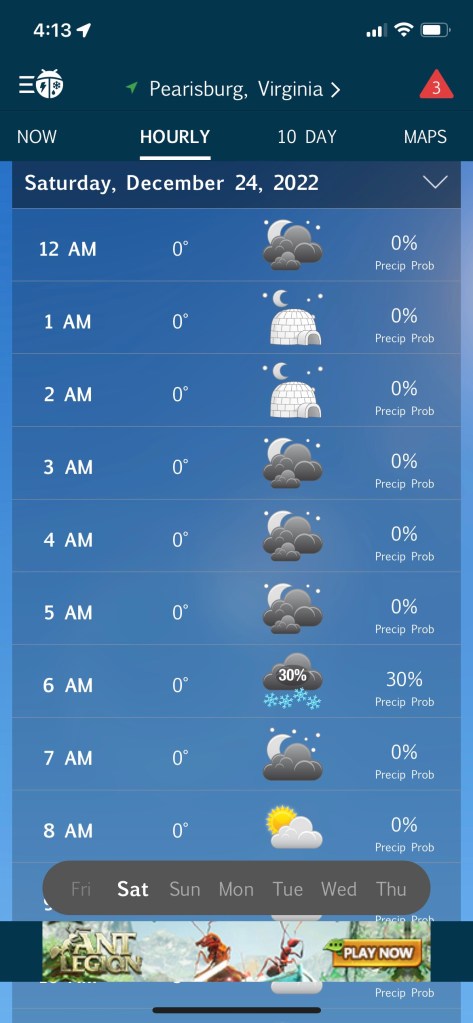
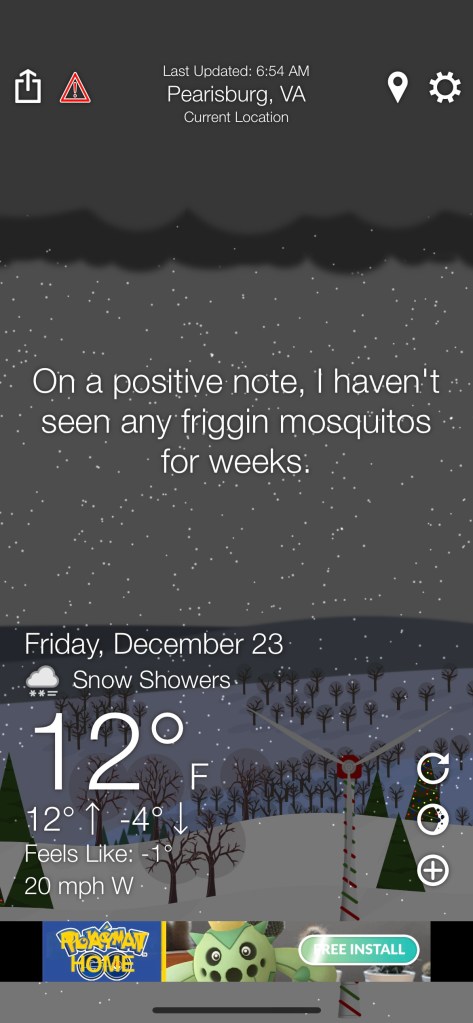
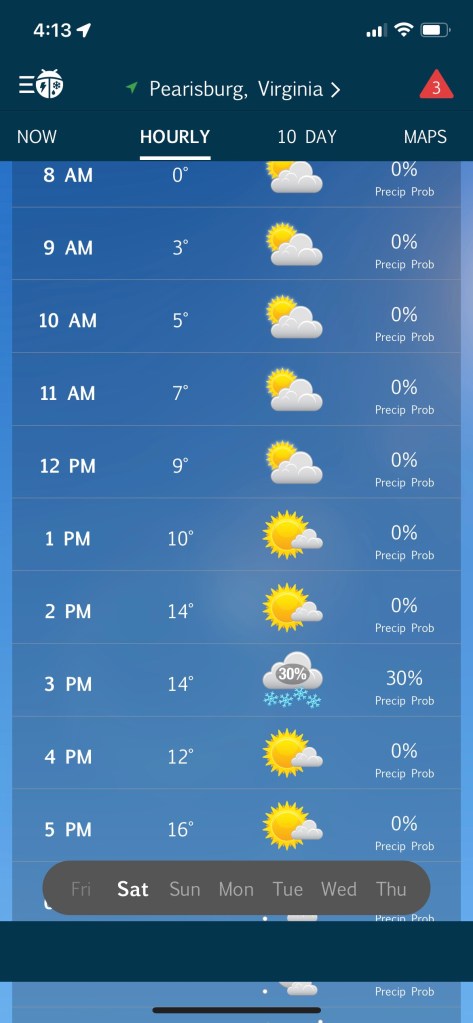
Over the following week, temperatures became safe for hiking again and I hiked to Marion, VA, where I stayed for several days and slack packed during a few rainy days at the Merry Inn. This way I could get some miles done and dry out at night. Here are some snow pictures taken on the way.
After spending several days at 2,100 feet in elevation, I hiked through Grayson Highlands and around the tallest mountain in Virginia at 5,762 feet. The lower elevations were warm and sunny, yet I arrived and hiked through at storm.

Some days, the weather forces the hike to end sooner than expected. I had lunch at Iron Mountain Shelter and thunderstorms were in the forecast. Planned to hike another 6 miles, but hail made an unexpected appearance. The hailstorm was intense and forced me to backtrack one mile to the shelter, where I spent the rest of the day waiting out the storm.
The last snow of the first winter was on February 17, 2023 in the Smoky Mountains. Only an inch of snow fell and the storm was fun to hike through, but a cold blast started around 3pm and dropped to 15 degrees overnight.
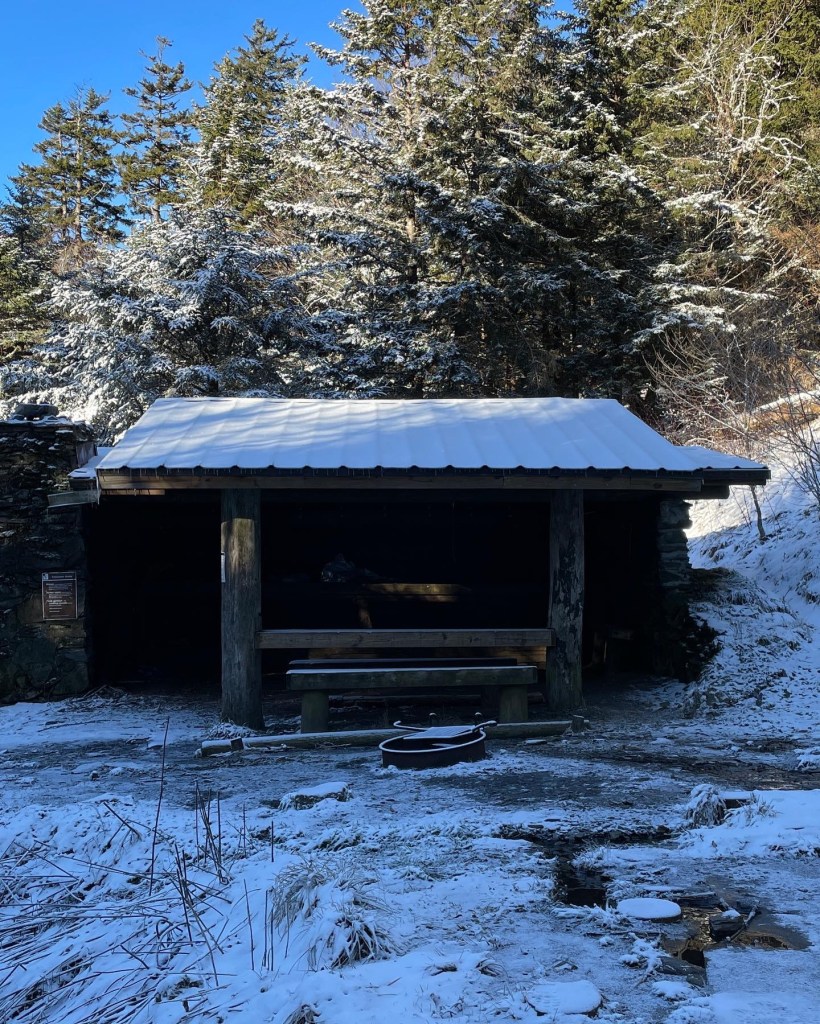


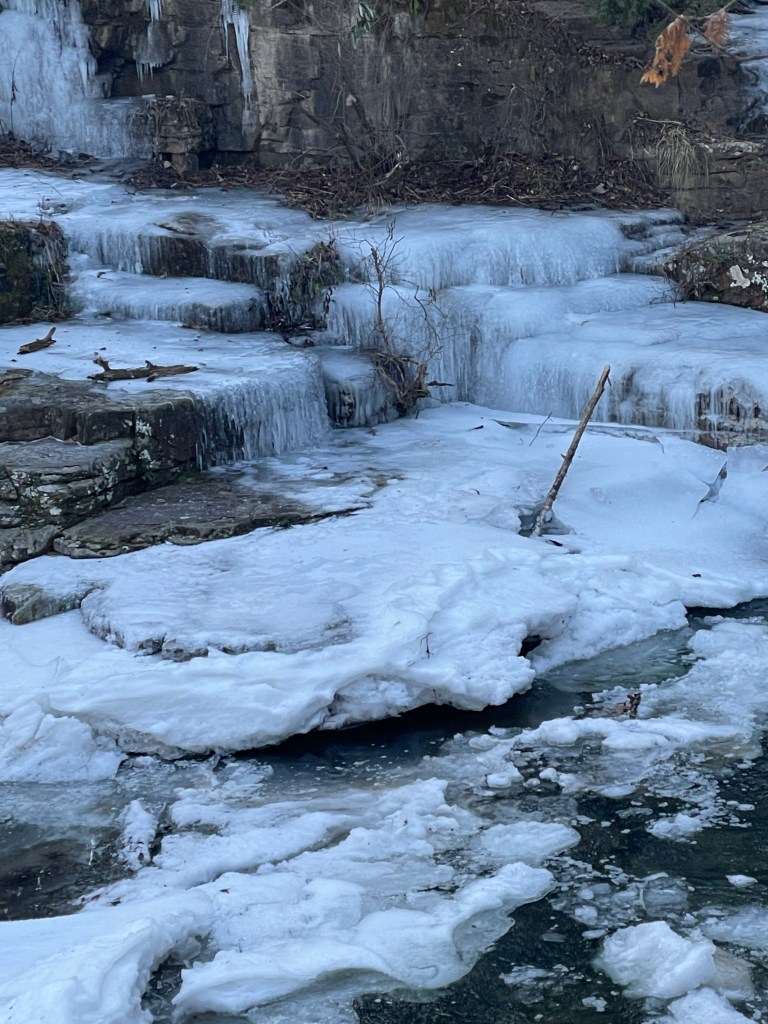
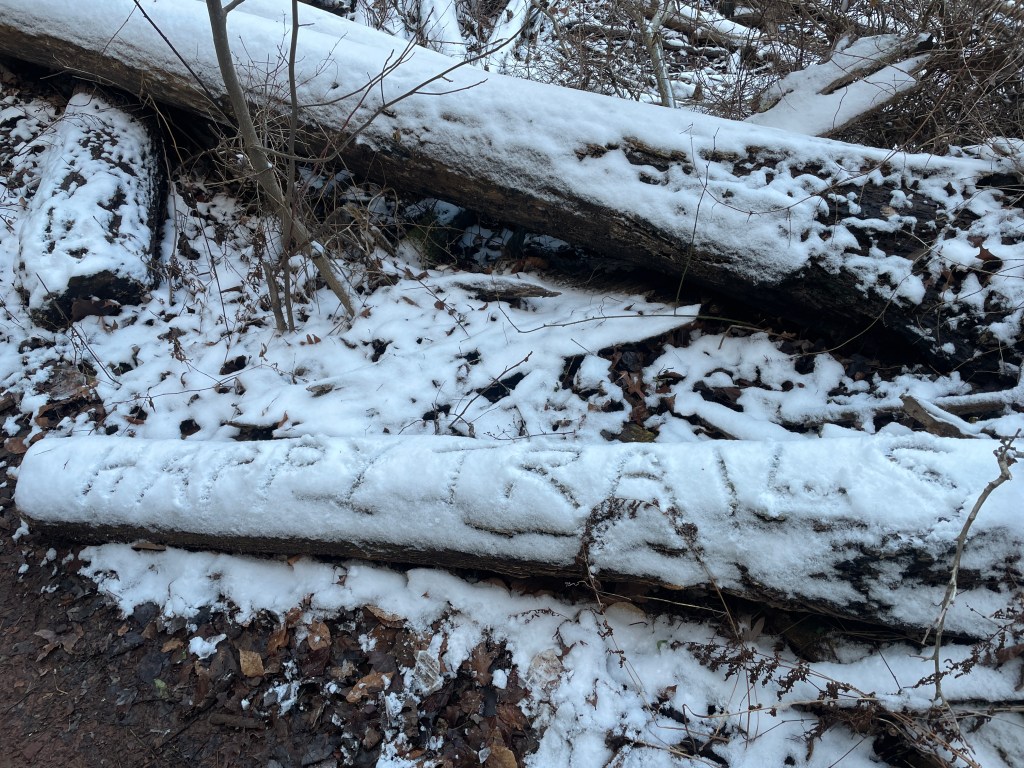
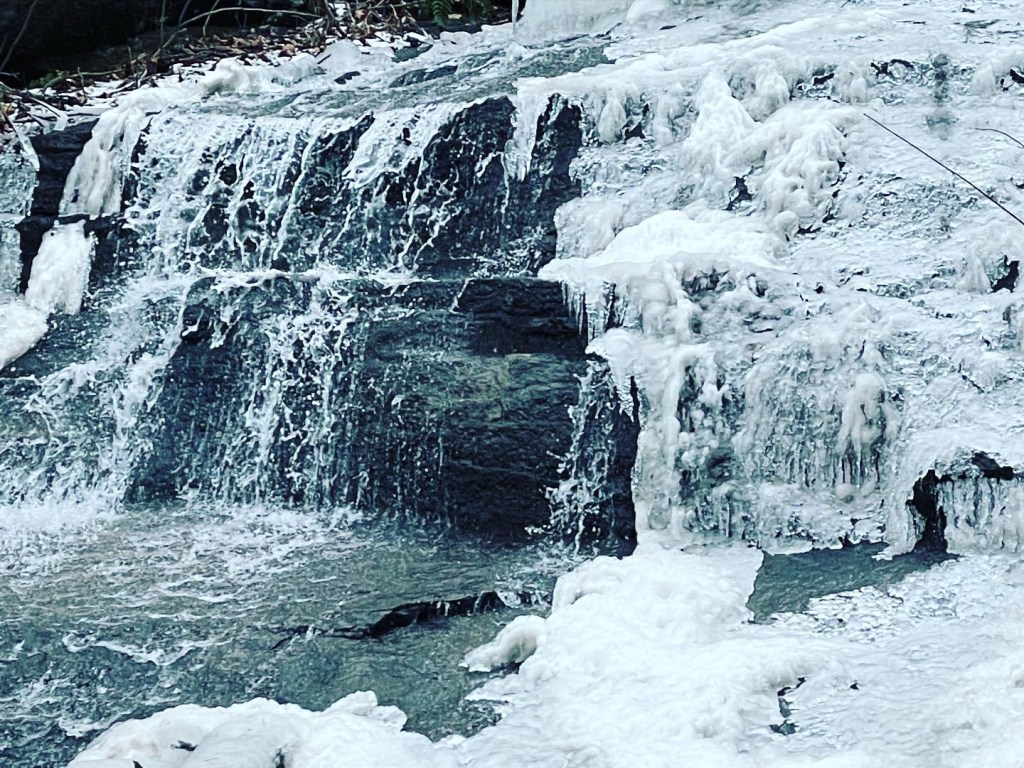
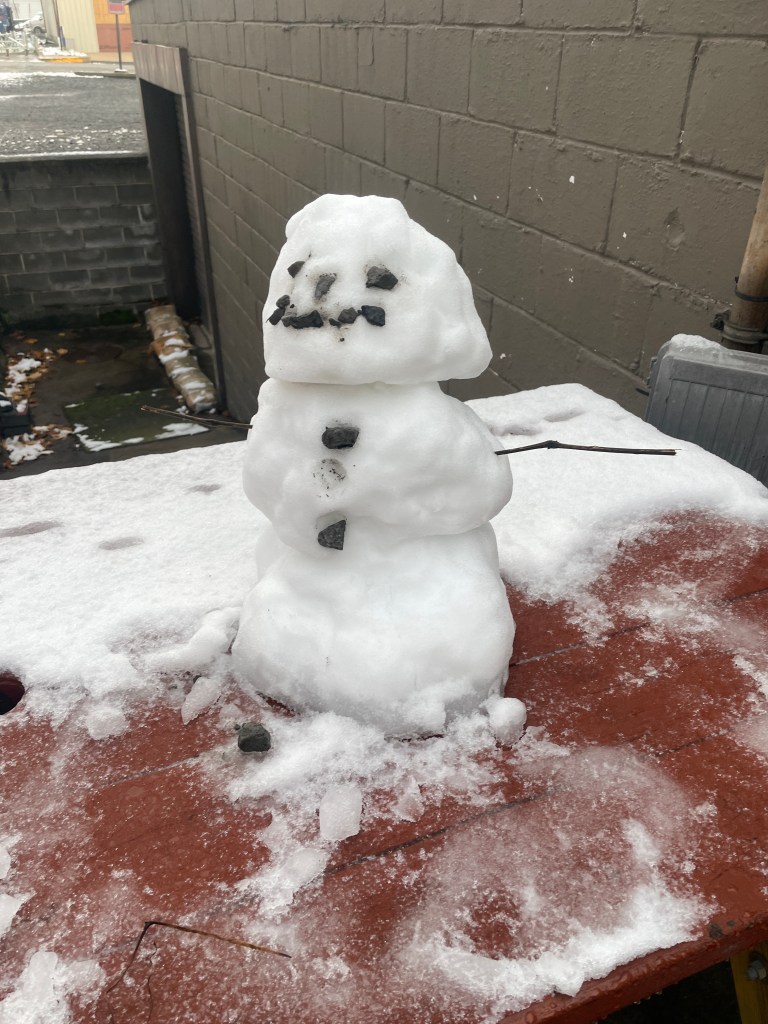
Thank you for reading and making it to the end! I hope to continue and post weekly about my thru hike. Please let me know how you like the blog in the comment section below. Also, let me know if there is a particular topic you would like to cover. Below are more pictures from traveling in winter.


 Turtleback’s AT Journey
Wow! What an adventure!
LikeLiked by 1 person